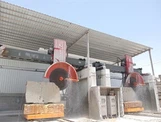
What Is Granite Mining Machine
A granite mining machine is a specialized piece of heavy equipment used for quarrying and processing granite, a hard igneous rock commonly used in construction and decorative applications. These machines typically include drilling rigs, excavators and crushers, each serving different stages of the mining process. Drilling rigs bore holes into the granite bed, allowing explosives to be inserted for blasting. Excavators then load the broken granite onto haul trucks, which transport it to a primary crusher. After initial crushing, the material is further refined through secondary and tertiary crushers and screens to produce various sizes of granite aggregate suitable for various uses. Advanced machinery may also incorporate automated systems for precision and efficiency in extraction and handling.
Advantages of Granite Mining Machine
Enhanced efficiency
Granite mining machines, such as wire saws, diamond blade drills, and hydraulic splitters, are designed to cut through hard rock quickly and accurately. The high speed and precision of these machines significantly increase the rate of extraction compared to manual methods, allowing miners to extract larger quantities of granite in shorter periods.
Improved safety
Manual extraction of granite is labor-intensive and poses a higher risk of accidents. Granite mining machines reduce the need for human intervention in hazardous environments, thus minimizing the risk of workplace injuries. Advanced control systems and automated features further enhance safety by allowing operators to manage the machinery remotely or with reduced physical strain.
Cost-effectiveness
Although initial investments in granite mining machines are relatively high, the operational costs over time are lower compared to manual mining. Automated machines can operate 24/7 with minimal downtime, reducing labor costs and increasing productivity. Additionally, the precise cutting capabilities of these machines reduce waste, ensuring optimal utilization of the granite resource.
Consistency in quality
Granite mining machines ensure uniformity in the size and shape of extracted blocks, which is essential for maintaining product quality. Consistent cuts and splits result in fewer defects, thereby reducing the need for reworking or rejecting substandard blocks.
Versatility
Modern granite mining machines are versatile and can be adapted to various mining conditions and block sizes. This flexibility allows miners to extract granite from different types of quarries, whether deep or shallow, and adapt to changing market demands for block sizes and shapes.
Increased recovery rates
Granite mining machines can access hard-to-reach areas within the quarry, enabling miners to recover more stone that might be left behind with manual methods. This increases the overall recovery rate and ensures better utilization of the granite deposit.


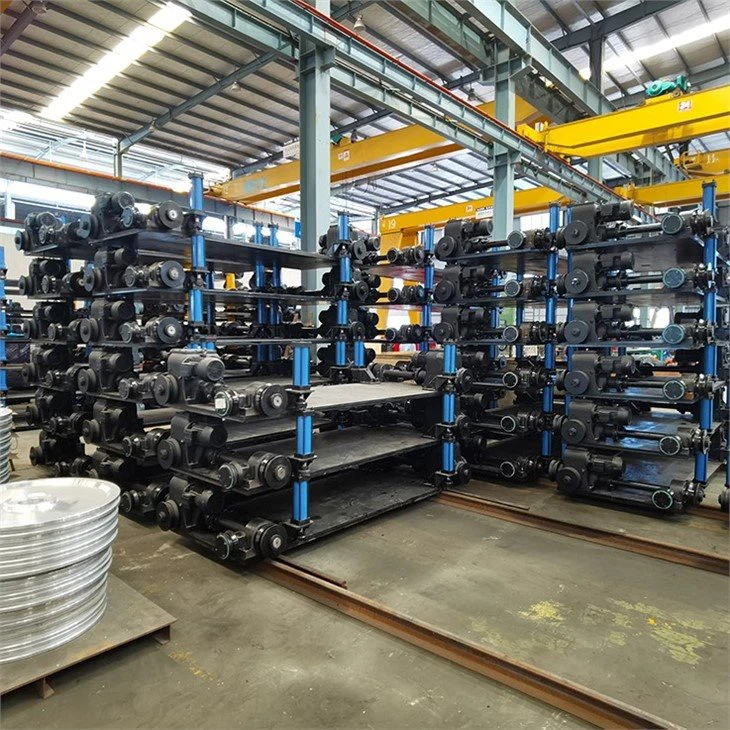

Why Choose Us
Advanced equipment
A machine, tool or instrument designed with advanced technology and functionality to perform highly specific tasks with greater precision, efficiency and reliability.
High quality
Our products are manufactured or executed to a very high standard, using the finest materials and manufacturing processes.
Professional team
Our professional team collaborates and communicates effectively with each other, and is dedicated to delivering high quality results. We are capable of handling complex challenges and projects that require our specialized expertise and experience.
Customized services
We understand that each customer has unique manufacturing needs. That's why we offer customization options to cater to your specific requirements.
One-stop solution
At our manufacturing facilities, we provide a complete package that includes everything required to get you started, including training, installation and support.
24H online service
We try and respond to all concerns within 24 hours and our teams are always at your disposal in case of any emergencies.
Types of Granite Mining Machine
Hole drilling rigs:These are mounted on crawlers or tracks various angles and depths. They are equipped with rotary percussive hammers or dth (down-the-hole) hammers that penetrate the hard granite.
Surface drilling rigs
These are more suited for shallower holes and are often mobile, allowing for quick relocation within the quarry site.
Explosives and blasting equipment
After the holes are drilled, explosives are carefully placed inside and detonated to fracture the granite. Blasting mats or other suppression techniques may be used to control fly rock and dust.
Loaders and excavators
Following the blast, excavators or wheel loaders scoop up the fragmented granite. Excavators come in various sizes, from compact track-mounted models to large, articulated machines capable of handling massive amounts of material.
Blast hole loaders
These are specialized loaders that fill the drilled holes with explosives. They ensure precise placement and measurement of the explosives for effective blasting.
Dump trucks
Large haul trucks transport the extracted granite from the quarry to the processing plant or stockpile area. These trucks have high capacities and are designed to handle the rough terrain of a quarry.
Primary crushers
Once at the processing plant, the granite is crushed using primary crushers such as jaw crushers or gyratory crushers. These machines reduce the size of the granite pieces to a manageable size for further processing.
Secondary and tertiary crushers
After primary crushing, the granite may be processed through secondary and tertiary crushers to achieve the desired final size and shape. Cones, impactors, and hammer mills are examples of these crushers.
Screening equipment
Screens are used to sort the crushed granite into different sizes. Vibrating screens are common in quarries and can be adjusted to separate various grades of aggregates.
Washing plants
To improve the quality of the granite for sale or further processing, washing plants remove dust and fines from the aggregates. Water is sprayed over the material as it moves across a series of screens and conveyors.
How to Store Granite Mining Machine
Clean the eyelashes
Before storing, always ensure that your 25mm eyelashes are clean. Gently remove any makeup residue using a soft brush or cotton swab dipped in a mild. Rinse them under cool water if necessary, then gently pat them dry with a tissue.
Use a safe container
Invest in a proper storage container designed specifically for false eyelashes. These containers usually come with a protective case or a small box that keeps the lashes flat and prevents them from getting tangled or damaged. Some storage cases even have a mirror attached, which can be convenient for applying the lashes.
Keep them flat
When placing the lashes into the container, lay them down flat, with the strip facing upwards. Avoid folding or rolling them as this can cause creases and distortions in the lash band. If you do not have a designated storage case, use a small, clean plastic container with a lid to keep them flat.
Protect the eyelashes from humidity
Moisture can ruin the integrity of false eyelashes. Store them in a dry place, away from excessive humidity or direct sources of heat like radiators or sunlight. High temperatures can warp the shape of the lashes, making them difficult to apply.
Use lash cushions
For added protection, consider using a lash cushion. This is a soft pad that sits inside the storage case, providing a gentle resting spot for the lashes. It helps to maintain their shape and prevent any bending or breaking.
Avoid pressure
When closing the storage case, make sure not to apply too much pressure on the lashes. The hinge of the case should close smoothly without crushing the contents inside.
Label if necessary
If you own multiple sets of eyelashes, label each container with the style number or name. This makes it easier to find the specific pair you want to use, especially if you have a collection of different lengths and designs.
Check regularly
Occasionally check on your stored lashes to ensure they are still in good condition. Dust them lightly if needed, but be gentle to avoid damaging them.
Replace if damaged
If you notice any signs of wear or damage, such as broken hairs or a stretched-out lash band, it's best to replace the lashes rather than attempting to repair them.

Application of Granite Mining Machine
Quarrying
The primary application of granite mining machines is the extraction of granite blocks from quarries. Machines such as drilling rigs, excavators, and bulldozers are used to create holes, break down large rocks, and move heavy materials. Wire saws and diamond blade cutters are then used to separate the granite blocks from the quarry face.
Cutting and shaping
Once extracted, granite blocks need to be cut and shaped to meet specific requirements. Granite cutting machines like bridge saws, gang saws, and waterjet cutters are used to slice the blocks into slabs or custom shapes. These machines use powerful blades and waterjets to cut through the hard granite with precision.
Polishing
After cutting, granite slabs often require polishing to enhance their appearance. Polishing machines use abrasive discs to smooth the surface of the granite, removing any imperfections and giving it a glossy finish.
Drilling
Granite mining machines are also used for drilling holes in granite slabs for various purposes, such as creating sinkholes or installing anchors. Core drilling machines are specifically designed for this task and can create precise holes without damaging the surrounding material.
Finishing
To give granite a more finished look, machines such as flaming machines and engraving machines are used. Flaming machines use heat to create a textured surface, while engraving machines carve intricate designs or patterns onto the granite surface.
Splitting
In some cases, granite blocks may need to be split into smaller pieces. Splitters use hydraulic pressure to crack the granite along natural lines or pre-cut seams, allowing it to be easily separated into smaller blocks or tiles.
Loading and unloading
Finally, granite mining machines are also used for loading and unloading granite slabs and blocks onto trucks or conveyor belts. Loaders and forklifts are commonly used for this purpose, ensuring that the heavy granite is handled safely and efficiently.
Precautions When Using Granite Mining Machine
Wear protective clothing and equipment
Before operating a granite mining machine, it is essential to wear appropriate protective clothing and equipment. This includes safety helmets, gloves, eye protection, ear protection, and steel-toed boots. This will help protect you from flying debris, loud noise, and other potential hazards.
Inspect the machine before use
Before starting the machine, it is important to inspect it thoroughly for any visible damage or wear and tear. If there are any issues, they should be addressed immediately to prevent accidents.
Use the correct blasting techniques
Blasting is an integral part of granite mining, and it should be done correctly to avoid accidents. The explosives used should be appropriate for the type of rock being mined, and the amount should be carefully calculated to minimize the risk of overblasting or underblasting. It is also essential to ensure that the area surrounding the blast site is clear of people and equipment.
Follow safety procedures
Always follow the safety procedures outlined by the manufacturer of the granite mining machine. This includes proper operation of the controls, maintenance, and emergency procedures. Ignoring these procedures can lead to accidents and injury.
Keep children and pets away
Children and pets should always be kept away from the granite mining machine. They may not understand the dangers associated with the machine, and their presence could lead to accidental injury.
Regularly maintain the machine
Regular maintenance of the granite mining machine is essential to keep it in good working condition and reduce the risk of accidents. This includes checking the lubrication, replacing worn parts, and cleaning the machine.
How Do I Choose the Right Granite Mining Machine

The size of the quarry
The size of the quarry will determine the type of granite mining machine that you need. Small quarries may only require a small excavator or bulldozer, while larger quarries may need a more powerful drilling rig or blasting machine.
The type of granite
Different types of granite may require different types of mining machines. For example, hard granite may require a more powerful drilling rig than soft granite.


The depth of the granite
The depth of the granite will determine the type of mining machine that you need. Deeper granite deposits may require a more powerful machine that can penetrate deeper into the earth.
Safety features
Safety is an important consideration when choosing a granite mining machine. Look for a machine that has built-in safety features such as emergency stop buttons, alarms, and guards to protect operators from injury.

The production methods of granite mining machines involve a combination of engineering design, manufacturing processes, quality control, and assembly to create robust, durable, and efficient machinery capable of performing the demanding tasks associated with granite extraction and processing. The first step in the production of granite mining machines is the design phase. These designs incorporate all the necessary components, such as cutting blades, drilling heads, motors, frames, and safety mechanisms. The design must adhere to industry standards and customer specifications, ensuring optimal performance and safety. Selecting the appropriate materials for the construction of granite mining machines is crucial. High-grade steel is typically used for the main frame and cutting components due to its strength and durability. Other materials, such as carbide or diamond-tipped tools, are chosen for their ability to cut through hard granite with minimal wear. Once the design is finalized, individual components are manufactured. This can involve a range of processes, including machining, casting, forging, and laser cutting. Machining processes, such as turning, milling, and drilling, are used to shape metal parts to precise tolerances. Casting is used for complex shapes, while forging provides enhanced strength. Laser cutting is utilized for precision parts and intricate designs. After the components are manufactured, they are assembled into the complete machine. This involves fitting together the frame, motor, cutting blades, and other components. Assembly is performed with precision to ensure that all parts function smoothly together. Quality control checks are conducted at each stage of assembly to identify and rectify any issues before the machine is fully operational.
What Are the Components of Granite Mining Machine
Drilling rigs
These are used to create holes in the granite for blasting. They typically consist of a frame, a drill bit, a percussion mechanism, and a feed system that moves the bit into the granite.
01
Excavators
Excavators are used to move large chunks of granite and prepare the quarry face for blasting. They have a boom, stick, bucket, and cab on a rotating platform called the "house."
02
Bulldozers
Bulldozers are used to clear land, move soil and rubble, and level ground in preparation for quarrying. They have a wide, flat blade attached to the front of a tractor-like vehicle.
03
Wire saws
These are used to cut through granite blocks after blasting. They consist of a wire with diamond segments attached, which cuts through the granite when pulled back and forth.
04
Bridge saws
Bridge saws are used for cutting granite slabs. They have a large, circular blade mounted on a pivoting arm that moves up and down to cut through the slab.
05
Gang saws
Gang saws are similar to bridge saws but have multiple blades arranged side by side. They can cut multiple slabs at once, increasing efficiency.
06
Waterjet cutters
Waterjet cutters use a high-pressure stream of water mixed with an abrasive substance to cut through granite. They can create intricate shapes and designs.
07
Polishing machines
Polishing machines use abrasive discs to smooth and polish the surface of granite slabs. They typically consist of a base, a motor, and a series of interchangeable discs with varying levels of grit.
08
Core drilling machines
These are used to create holes in granite slabs for various purposes, such as installing sinks or anchors. They consist of a drill bit, a motor, and a feed system that moves the bit into the granite.
09
Splitters
Splitters use hydraulic pressure to crack the granite along natural lines or pre-cut seams, allowing it to be easily separated into smaller pieces. They typically consist of a hydraulic ram and a splitting wedge.
10
How Does a Granite Mining Machine Work?
Granite mining machines operate through a complex process that involves various stages, from quarrying to the final shaping and polishing of the granite. Drilling rigs are used to create holes in the granite bedrock for the placement of explosives. They consist of a drill bit mounted on a movable arm attached to a base unit. Operators control the drill bit's depth and angle to create precise holes at the desired location. The drill bit rotates at high speeds and is cooled by water to prevent overheating and to minimize dust. After drilling, explosives are inserted into the holes created by the drilling rigs. Blasting machines are then used to detonate these explosives, which fracture the granite rock. The size and quantity of explosives are carefully calculated based on the type of granite and the desired size of the blocks. Following the blasting, excavators and bulldozers are used to load broken granite onto trucks or to clear debris from the quarry. Excavators have a boom arm with a bucket attached, which can scoop up and move large quantities of material. Bulldozers push the granite into piles using their wide, flat blades. Wire saws are used to cut through the granite after it has been blasted. They consist of a thin wire coated with industrial diamonds. The wire is pulled back and forth across the granite block, cutting through it with the abrasion provided by the diamonds. Water is used to cool the wire and remove the resulting dust. Gang saws are used for cutting large numbers of slabs simultaneously. They consist of multiple parallel blades arranged in a gang. The granite block is loaded onto a frame, and as the frame moves forward, the blades cut through the block, producing multiple slabs of uniform thickness. Bridge saws are large, stationary saws used for cutting single, large slabs. They have a circular blade mounted on an overhead arm that can move vertically. The slab is placed on a table beneath the blade, and the blade lowers to cut through the granite. Waterjet cutters use a stream of water mixed with an abrasive substance (usually garnet) to cut through granite. They can produce intricate shapes and designs with precision and without applying heat, which could alter the granite's properties.
Can Granite Mining Machines Be Used in Other Types of Mining Operations?
Yes, granite mining machines can be adapted for use in other types of mining operations, depending on the specific requirements and conditions of the operation. While granite is a relatively hard and durable material, the equipment used to mine it is often robust and versatile enough to handle other types of rocks and minerals. Basalt is another type of igneous rock that is similar in durability to granite. Many of the same cutting and drilling techniques used in granite mining can be applied to basalt mining. For example, wire saws, bridge saws, and gang saws can be used to cut basalt slabs and blocks. Limestone is a softer type of rock that is commonly used in construction and manufacturing. While the equipment used for limestone mining may be different from that used for granite mining, some of the same principles apply. For example, drilling rigs and excavators can be used to extract limestone from underground mines or quarries. Sandstone is a sedimentary rock that is commonly used in construction and landscaping. Like limestone, the equipment used for sandstone mining may differ from that used for granite mining, but some of the same techniques can be applied. For example, bulldozers and loaders can be used to clear land and move sandstone blocks. Marble is a metamorphic rock that is commonly used in sculpture and architecture. While marble is softer than granite, it requires similar cutting and finishing techniques. Therefore, many of the same machines used in granite mining, such as wire saws and polishing machines, can be used in marble mining. While metal ore mining typically requires different types of equipment, some of the same principles can be applied. For example, drilling rigs and explosives are commonly used to break up metal ore deposits. Additionally, conveyor belts and loaders can be used to transport ore from the mine to the processing plant.
How Do Granite Mining Machines Differ from Other Types of Mining Equipment?
Granite mining machines differ significantly from other types of mining equipment due to the unique physical properties and challenges associated with extracting and processing this hard, durable stone. Granite is an extremely hard and abrasive material, requiring specialized equipment that can withstand the high stresses and wear and tear associated with its extraction and processing. Unlike other types of mining equipment, which may be designed to handle softer materials like coal or copper ore, granite mining machines must be constructed from heavy-duty materials such as steel and cast iron to ensure longevity and reliability. Due to the high temperatures generated by friction and abrasion during granite cutting and shaping processes, granite mining machines often require sophisticated cooling systems to prevent overheating and maintain optimal performance. These cooling systems may include water jets, fans, and other methods of heat dissipation. Granite is commonly used in decorative and architectural applications where precise dimensions and smooth surfaces are required. As a result, granite mining machines must be highly accurate and capable of producing consistent results. This often requires advanced control systems and sensors to ensure that the machines operate within specified parameters. Granite mining presents unique safety challenges due to the potential for flying debris, loud noise, and hazardous working conditions. To mitigate these risks, granite mining machines often incorporate features such as protective guards, emergency stop buttons, and noise reduction technologies. Additionally, operators must receive specialized training to safely operate and maintain these machines.
Quanzhou Hiende Mechanical And Electrical Technology Development Co, Ltd (formerly:Fujian Shuinan Stone Machinery Co. Ltd )was founded in 1997, with a long history and good reputation in domestic and international stone machinery manufacturing industry. After 20 years of innovaton and technology enterprises in stone mining and processing equipment with well-known brands"SHUINAN". Shuinan is located in Chinese stone capital- Shuitou. The factory covers an area of 107000 m2, with the most advanced mechanical processing equipment, warehousing logistics systems, assembly production lines in stone machinery industry. Shuinan has a team with more than 300 people of professional research and development, production sales and service.


certificate

FAQ
Hot Tags: granite mining machine, China granite mining machine manufacturers, suppliers, factory