What Is Bridge Stone Block Cutter
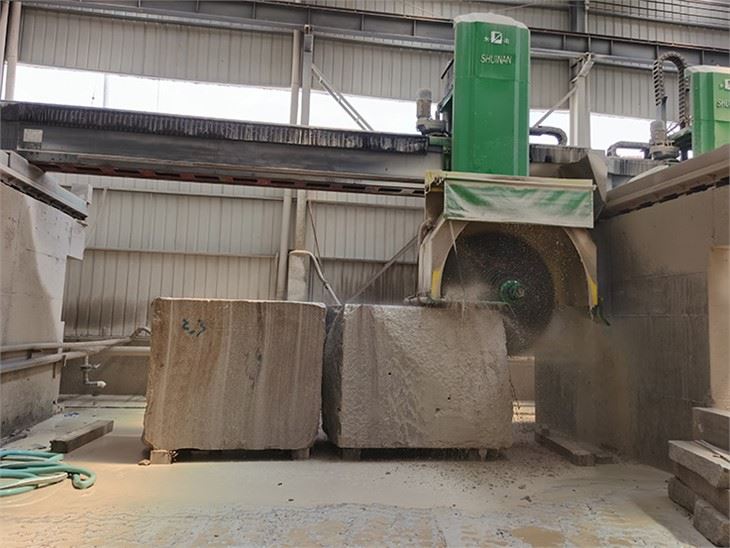
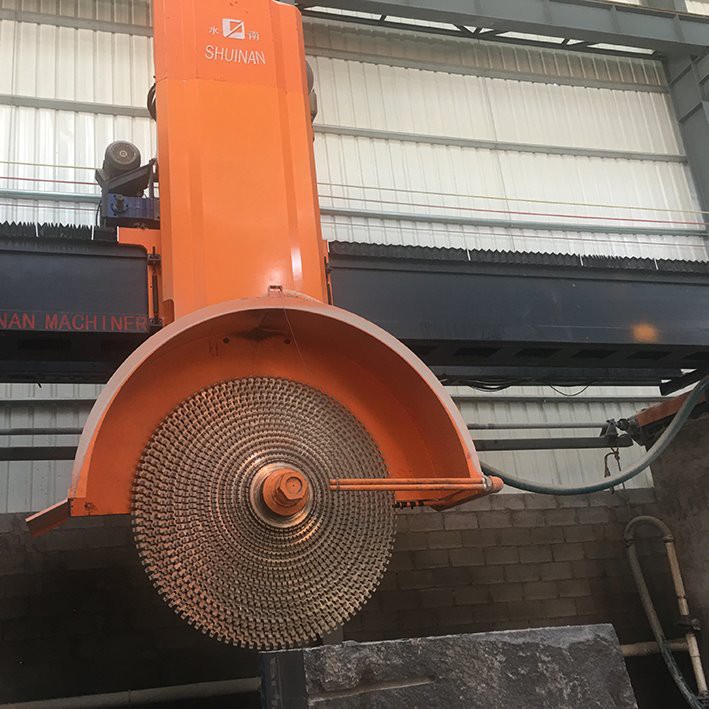
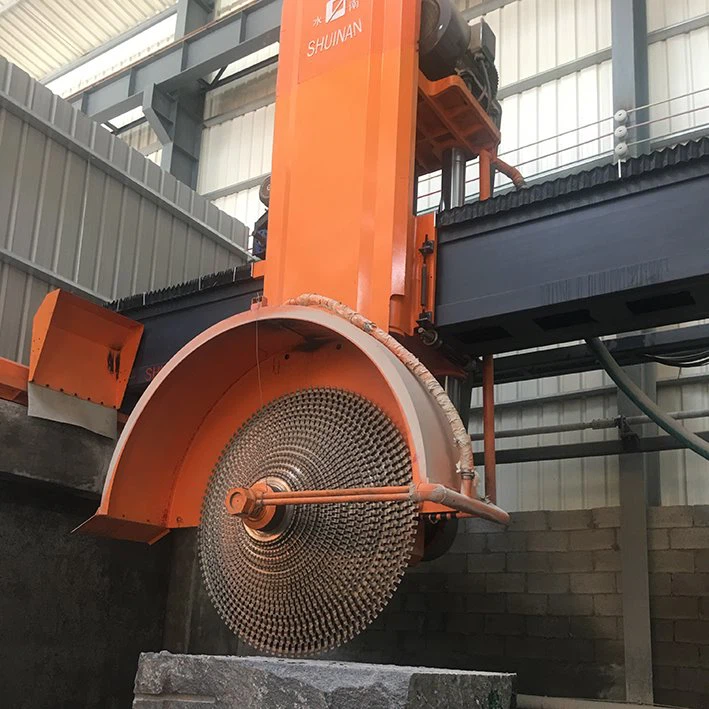
A bridge stone block cutter, also known as a bridge saw, is a robust piece of machinery used in the stone processing industry to cut large stone blocks into slabs or specific shapes. It features a circular diamond blade mounted on a moving gantry, or bridge, that traverses back and forth above the stone. The stone block is positioned on a sturdy table that can adjust in height and position. The operator feeds the stone beneath the blade, and the cutting process begins. Bridge saws are capable of executing precise straight cuts, angled cuts, and even bevels. These saws are equipped with powerful motors and are designed to handle a variety of stone materials, including granite, marble, and quartz. Their ability to cut with high accuracy and repeatability makes them essential in the production of stone countertops, tiles, and other stone products.
Advantages of Bridge Stone Block Cutter
Precision cutting
Bridge stone block cutters are designed for extremely precise cuts. They use high-tech guidance systems and computer-controlled motors to ensure accuracy within millimeters. This precision is crucial in bridge construction, where stones need to fit together perfectly to ensure the structural integrity and safety of the bridge.
High efficiency
Compared to manual cutting methods, bridge stone block cutters can significantly increase production rates. Automation and precision tools allow for faster cutting, reducing the overall time required to complete a project. This efficiency saves time and money, enabling construction companies to complete more projects in a shorter period.
Versatility
Bridge stone block cutters can handle a wide range of stone types and sizes. From soft limestone to hard granite, these machines can cut through various materials with ease. Additionally, they can be adjusted to accommodate different stone sizes and shapes, making them suitable for a wide range of applications.
Cost-effectiveness
Although bridge stone block cutters have a higher upfront cost, they offer significant long-term cost savings. Their high efficiency and precision cutting reduce waste, minimize material costs, and shorten project timelines. In the long run, this leads to cost savings that justify the initial investment.
Durability and reliability
Bridge stone block cutters are built to last, with robust construction and high-quality materials. They can withstand the demands of continuous use and maintain their performance over time. This durability ensures that construction companies can rely on their machines to perform consistently and efficiently, even under heavy workloads.
Ease of operation and maintenance
Modern bridge stone block cutters are designed for ease of operation and maintenance. User-friendly controls and interfaces make it easy for operators to adjust settings and monitor the cutting process. Additionally, the machines are designed for easy access to internal components, facilitating regular maintenance and repairs.




Why Choose Us
Advanced equipment
A machine, tool or instrument designed with advanced technology and functionality to perform highly specific tasks with greater precision, efficiency and reliability.
High quality
Our products are manufactured or executed to a very high standard, using the finest materials and manufacturing processes.
Professional team
Our professional team collaborates and communicates effectively with each other, and is dedicated to delivering high quality results. We are capable of handling complex challenges and projects that require our specialized expertise and experience.
Customized services
We understand that each customer has unique manufacturing needs. That's why we offer customization options to cater to your specific requirements.
One-stop solution
At our manufacturing facilities, we provide a complete package that includes everything required to get you started, including training, installation and support.
24H online service
We try and respond to all concerns within 24 hours and our teams are always at your disposal in case of any emergencies.
Types of Bridge Stone Block Cutter
The manual bridge saw is the traditional version, requiring the operator to physically move the cutting head across the stone slab. While it offers basic functionality, it lacks the automation features found in modern cutters, making it slower and less accurate. Manual bridges are suitable for small-scale operations or when only occasional cutting is necessary.
Semi-automatic bridge saws provide a step up from manual models by offering programmable settings for cutting depth and speed. Although the operator still needs to guide the cutting head, the semi-automatic feature reduces fatigue and improves consistency. This type of saw is well-suited for workshops that require moderate levels of automation.
Automatic bridge saws are equipped with advanced controls that allow for fully programmed cutting sequences. The saw head and table can move independently, and the machine can execute multiple passes and angles with high precision. Automatic bridge saws increase productivity and reduce the need for operator intervention, making them ideal for high-volume production facilities.
CNC (computer numerical control) bridge saws represent the pinnacle of stone cutting technology. These machines are controlled by computers that interpret digital designs and translate them into precise cutting paths. CNC saws can perform complex cuts, including intricate shapes and bevels, with unparalleled accuracy. They are commonly used in industries where customization and fine detail are paramount.
Multi-blade bridge saws feature multiple cutting blades that can simultaneously cut through the stone slab, significantly reducing the cutting time. This type of saw is particularly effective for thicker stone blocks and is often used in quarries or when processing large quantities of stone.
Portable bridge saws are designed for mobility and ease of setup, making them suitable for fieldwork or temporary job sites. While they may not have the same cutting capacity as fixed models, their portability allows operators to cut stone on location, saving time and transportation costs.
Water-cooled bridge saws incorporate a cooling system that sprays water onto the cutting blade to dissipate heat generated during the cutting process. This not only extends the life of the blade but also prevents the stone from cracking or burning. Water-cooled systems are essential for cutting dense or hard stones like granite and basalt.
How to Store Bridge Stone Block Cutter
Clean the machine
Before storing the cutter, thoroughly clean the entire machine. Remove any dust, debris, or residue from the table, blade, and other components. Use compressed air to blow out any particles from hard-to-reach areas. This prevents corrosion and keeps the machine ready for quick startup after storage.
Check the blade and cutting area
Inspect the blade for any signs of wear or damage. If necessary, replace the blade before storing the cutter. Also, ensure that the cutting area is clear of any tools, measuring devices, or other objects that could obstruct the cutting path.
Lubricate moving parts
Apply a light coating of oil or lubricant to all moving parts, including the gantry rails, guide wheels, and any other components that require lubrication. This helps to prevent rust and ensures smooth operation upon restarting the machine.
Cover the machine
Cover the entire machine with a protective cover or tarp to keep dust, moisture, and other contaminants at bay. Ensure that the cover is securely fastened to prevent it from blowing off in windy conditions.
Disconnect the power source
Disconnect the machine from the power source to prevent accidental startups or electrical issues. Make sure to follow proper disconnection procedures, including unplugging the power cord or turning off the circuit breaker.
Secure the machine
If the machine is stored in an area prone to movement or vibration, secure it with braces or tie-downs to prevent it from tipping over or shifting.
Choose a suitable location
Store the machine in a dry, cool, and well-ventilated location away from direct sunlight, moisture, and extreme temperature fluctuations. Ideally, the storage area should be dedicated to equipment storage and free from clutter.
Regular maintenance
Even when not in use, perform regular maintenance checks on the machine. This includes inspecting the blade tension, checking the alignment of the gantry, and ensuring that all safety features are in working order.

Application of Bridge Stone Block Cutter
Construction industry
The most significant application of bridge stone block cutters is in the construction industry. They are used to cut stone blocks into tiles, slabs, and other shapes required for building facades, floors, countertops, and walls. The precision and accuracy of these cutters enable architects and designers to create intricate and beautiful designs that would otherwise be challenging to achieve with manual methods.
Monument and statue making
Bridge stone block cutters are extensively used in the creation of monuments, statues, and other decorative stone structures. They can cut through hard stones like granite, marble, and limestone with ease, allowing artists and sculptors to bring their visions to life.
Landscaping
In landscaping, bridge stone block cutters are used to shape and size natural stones for garden paths, patios, and other outdoor features. The ability to cut stones into various shapes and sizes enables landscapers to create unique and attractive designs that complement the surrounding environment.
Quarrying
Bridge stone block cutters are also used in the quarrying industry to cut large stone blocks from the quarry face. These machines can handle heavy loads and tough materials, making them ideal for cutting through thick layers of rock. Once extracted, the stone blocks can be further processed into slabs or other desired shapes using bridge stone block cutters.
Flooring
In the flooring industry, bridge stone block cutters are used to cut stone tiles to fit specific dimensions and shapes. The precision cutting capability of these machines ensures that the tiles fit together seamlessly, creating a beautiful and durable floor.
Kitchen and bathroom countertops
Bridge stone block cutters are widely used in the manufacturing of kitchen and bathroom countertops. They can cut through hard stones like granite and marble to create custom-sized countertops with elegant edges and finishes.
Fireplace surrounds
Stone fireplace surrounds are another popular application of bridge stone block cutters. These machines can cut through thick stone slabs to create intricate and beautiful designs that enhance the overall aesthetic of the fireplace.
Precautions When Using Bridge Stone Block Cutter
Training
Operators must receive proper training on how to operate the machine safely and effectively. This includes understanding the controls, the cutting process, and emergency procedures.
Machine inspection
Before using the machine, conduct a thorough inspection to ensure that all components are in good working order. Check the blade, guide rails, and safety devices for any signs of wear or damage.
Proper machine setup
Ensure that the machine is set up on a stable, level surface and properly aligned with the stone block. Improper setup can lead to uneven cuts, machine instability, and increased risk of accidents.
Use of feed tables and stoppers
When possible, use feed tables and stoppers to hold the stone block in place during cutting. This reduces the risk of the block slipping or moving unexpectedly, which could result in injury or damage to the machine.
Blade selection and maintenance
Choose the appropriate blade for the material being cut and regularly maintain it according to manufacturer instructions. Dull or damaged blades can cause kickbacks, uneven cuts, and increased risk of accidents.
Safe cutting practices
Always follow safe cutting practices, such as avoiding rapid changes in direction, keeping hands and fingers clear of the cutting area, and using push sticks or other tools to guide the material through the blade.
Emergency procedures
Be familiar with the machine's emergency procedures, including how to shut off the power in case of an accident or malfunction. Keep a first-aid kit nearby and know how to administer basic first aid.
Machine operation
Operate the machine at a consistent speed and avoid overloading or forcing the blade through the material. Overloading can cause the machine to become unstable and increase the risk of accidents.
How Do I Choose the Right Bridge Stone Block Cutter
Cutting capacity
The first thing to consider is the cutting capacity of the machine, which refers to the maximum size of stone block that can be cut. You should choose a machine with a cutting capacity that matches the size of the stone blocks you will be working with. If you plan to work with larger blocks, you will need a machine with a higher cutting capacity.
Blade type and material
The type of blade and material used in the cutter will determine its cutting performance and durability. Different types of blades are suitable for different types of stone, so you should choose a blade that is compatible with the material you will be cutting. Additionally, the material of the blade will affect its longevity and cutting efficiency, so you should select a blade made from high-quality materials that can withstand repeated use.
Power and performance
The power and performance of the cutter are crucial factors in determining its cutting efficiency and speed. You should choose a machine with sufficient power to handle the toughest stone materials and provide consistent, accurate cuts. Additionally, the machine should have a high-performance motor that can deliver consistent speed and torque for smooth cutting operations.
Safety features
Safety is paramount when operating any type of machinery, so you should choose a machine that is equipped with comprehensive safety features. Look for machines that have emergency stop buttons, protective guards, and other safety devices that can prevent accidents and injuries. Additionally, the machine should have clear instructions and warnings regarding its operation and maintenance.
Durability and reliability
You should choose a machine that is built to last and can withstand the rigors of daily use. Look for machines that are made from high-quality materials and have a reputation for reliability and durability. Additionally, the machine should have a warranty or guarantee that covers any defects or malfunctions.
Ease of use and maintenance
Finally, you should choose a machine that is easy to use and maintain. Look for machines that have user-friendly controls and intuitive interfaces that make it easy to operate and adjust settings. Additionally, the machine should be easy to clean and maintain, with replaceable parts that are readily available and affordable.
Material selection
The production process begins with the selection of high-quality materials for the various components of the cutter. Typically, the frame is made from heavy-duty steel or cast iron to provide stability and support. The cutting blade is usually made from diamond or tungsten carbide, which are known for their hardness and ability to cut through hard stone materials.
Machining
Once the materials have been selected, they undergo various machining processes to shape them into the required components. This includes cutting, drilling, milling, and grinding. High-precision cnc (computer numerical control) machines are often used to ensure accurate tolerances and repeatability.
Assembly
After the individual components have been machined, they are assembled into the final product. This involves carefully aligning and bolting the frame, motor, cutting blade, and other components together. Quality control checks are performed at each step to ensure that the assembly is correct and the cutter is functioning properly.
Testing
Once the cutter has been assembled, it undergoes rigorous testing to ensure its performance and safety. This includes cutting tests on various types of stone materials to check the cut quality, blade sharpness, and machine stability. The cutter is also tested for compliance with relevant safety standards.
Finishing
After testing, the cutter is given a final finishing treatment. This may include painting, powder coating, or plating to protect the metal surfaces from corrosion and wear. The cutter may also be fitted with additional safety features, such as emergency stop buttons or guards, to improve its safety performance.
What Are the Components of Bridge Stone Block Cutter
Bridge frame
The bridge frame is the main structural component of the cutter, providing stability and support for the other components. It is typically made from heavy-duty steel or another durable material to withstand the weight and stress of the stone blocks and the cutting process.
Cutting table
The cutting table is where the stone blocks are placed for cutting. It is usually made from a flat, sturdy surface that can support the weight of the blocks and withstand the force of the cutting blade. The table may also include guides or stops to help align the blocks for accurate cuts.
Cutting blade
The cutting blade is the most crucial component of the cutter, as it is responsible for actually cutting the stone. The blade is typically made from a high-quality diamond or carbide material that can withstand the hardness and toughness of stone. The blade may vary in shape and size depending on the specific requirements of the cutting task.
Motor and drive system
The motor provides the power needed to rotate the cutting blade and drive the cutter. The drive system may include gears, belts, or pulleys that transfer the power from the motor to the blade. The motor and drive system must be powerful enough to handle the cutting task and provide consistent, accurate cuts.

Control panel
The control panel allows the operator to adjust the speed, depth, and direction of the cutting blade. It may also include safety features such as emergency stop buttons and alarms. The control panel should be easy to use and understand, with clear labels and instructions.
Guide rails
Guide rails are used to help align the stone blocks for accurate cuts. They may be attached to the cutting table or the bridge frame and run parallel to the cutting blade. Guide rails can help ensure that the blocks are cut straight and even, reducing waste and improving efficiency.
Water cooling system
A water cooling system is often used to keep the cutting blade cool during operation. The system sprays water onto the blade, helping to reduce friction and heat buildup, which can extend the life of the blade and improve cutting performance.
Dust collection system
Stone cutting can generate a lot of dust and debris, so a dust collection system is an important component of the cutter. The system may include a vacuum or blower that collects the dust and debris from the cutting area and directs it away from the operator and the machine.
Can a Bridge Stone Block Cutter Be Used for Both Straight and Curved Cuts?
Bridge stone block cutters are primarily designed for making straight cuts in stone materials, such as marble, granite, and limestone. They are equipped with a circular blade that spins at high speeds to cut through the stone along a predetermined path. Firstly, most standard bridge stone block cutters are not capable of making curved cuts due to their fixed blade design. The blade is mounted on a rotating shaft that moves back and forth along a straight track, which limits the machine's ability to make curved or irregular cuts. As a result, attempting to make a curved cut with a standard bridge stone block cutter could damage the blade, machine, or even pose a safety risk to the operator. However, some specialized bridge stone block cutters are designed with a pivoting or articulating blade that allows the machine to make curved cuts. These machines typically have a movable arm or joint that enables the blade to follow a curved path as it cuts through the stone. While these specialized cutters can make curved cuts, they are generally more expensive and complex than standard models, and require a skilled operator to achieve optimal results. Another factor to consider is the type of blade used in the cutter. Standard bridge stone block cutters typically use a circular diamond blade, which is ideal for making straight cuts but not well-suited for curved cuts. Specialized blades are available for making curved cuts, such as segmented or continuous-edge blades, but these blades are generally more expensive and less common than standard diamond blades. Finally, the skill of the operator is critical when making curved cuts with a bridge stone block cutter. Even with a specialized machine and blade, achieving a smooth and accurate curved cut requires a high level of skill and experience. The operator must carefully position the cutter along the desired path and adjust the speed and pressure of the cut to avoid damaging the stone or creating an uneven edge.
How Thick of a Stone Block Can Be Cut Using a Bridge Stone Block Cutter?
The thickness of a stone block that can be cut using a bridge stone block cutter largely depends on the capacity and design of the specific machine. Bridge stone block cutters come in various sizes and configurations, each designed to handle different types and thicknesses of stone materials. Larger and more powerful bridge stone block cutters are generally capable of cutting thicker stone blocks. These machines have stronger motors and larger blades that can handle the increased load and force required to cut through thicker materials.The design and material of the cutting blade also play a significant role in determining the cutting thickness of a bridge stone block cutter. Diamond blades, which are commonly used for stone cutting, come in different diameters and thicknesses. A larger or thicker blade can typically handle a thicker stone block. The speed and pressure at which the blade cuts through the stone block can also affect the cutting thickness. Higher speeds and pressures can increase the cutting force, allowing the machine to handle thicker materials. However, excessive speed and pressure can also cause blade wear and damage, so it is important to balance these factors for optimal performance. Different types of stone materials have varying levels of hardness and density, which can affect the cutting thickness of a bridge stone block cutter. Softer stones, such as limestone or sandstone, can typically be cut with thinner blades and lower speeds and pressures than harder stones, such as granite or marble. In general, bridge stone block cutters can typically cut stone blocks with a thickness ranging from a few inches to several feet. Some large and powerful machines can even handle stone blocks with a thickness of up to 20 inches or more. However, the exact cutting thickness will depend on the specific machine, blade, and stone material being used.
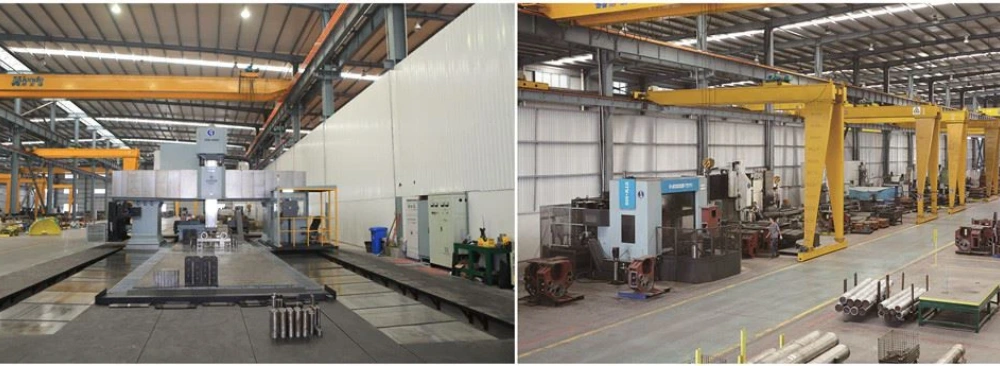
Quanzhou Hiende Mechanical And Electrical Technology Development Co, Ltd (formerly:Fujian Shuinan Stone Machinery Co. Ltd )was founded in 1997, with a long history and good reputation in domestic and international stone machinery manufacturing industry. After 20 years of innovaton and technology enterprises in stone mining and processing equipment with well-known brands"SHUINAN". Shuinan is located in Chinese stone capital- Shuitou. The factory covers an area of 107000 m2, with the most advanced mechanical processing equipment, warehousing logistics systems, assembly production lines in stone machinery industry. Shuinan has a team with more than 300 people of professional research and development, production sales and service.


certificate

FAQ
Hot Tags: bridge stone block cutter, China bridge stone block cutter manufacturers, suppliers, factory