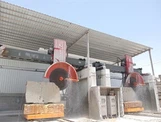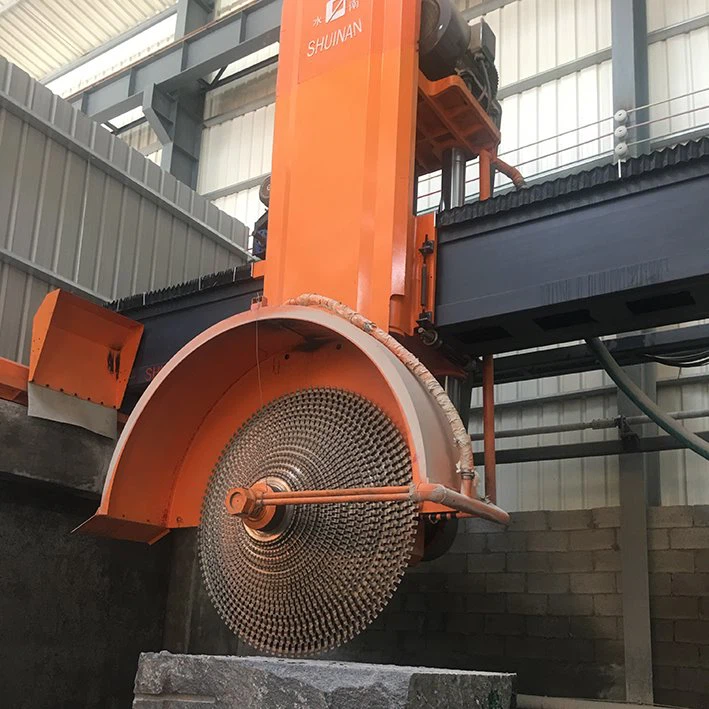
What Is Multi Blade Cutting Machine
A multi-blade cutting machine, often referred to as a multi-head cutter or a multi-tool cutter, is an advanced piece of equipment designed to perform precise and efficient cutting operations across various materials. This type of machine is equipped with multiple independently controlled blades or cutting heads that can operate simultaneously or in sequence, allowing for complex cutting patterns and increased productivity. The multi-blade configuration enables the machine to execute tasks such as contouring, trimming, slotting, and grooving in one pass, significantly reducing the time and labor required compared to single-head cutters. These machines are widely used in industries like metalworking, woodworking, textiles, and plastics manufacturing, where intricate and high-volume cutting is essential. The versatility of multi-blade cutting machines makes them indispensable tools in modern manufacturing environments.
Advantages of Multi Blade Cutting Machine
Increased production efficiency
The multi-blade cutting machine's most significant advantage is its ability to increase production rates significantly. With multiple blades cutting simultaneously, the machine can process more material in a shorter time frame, thus enhancing overall productivity.
Precision cutting
These machines are designed for precision cutting, ensuring that each cut is accurate and consistent. The use of multiple blades also allows for more uniform cuts, reducing the need for post-processing or manual adjustments.
Versatility
Multi-blade cutting machines are designed to handle a wide range of materials and thicknesses. Whether it's paper, fabric, plastic, or food items, these machines can be adjusted to accommodate different materials and cutting requirements.
Cost-effectiveness
While the initial cost of a multi-blade cutting machine may be higher than some traditional cutting methods, its long-term cost-effectiveness makes it a worthwhile investment. The machine's high production rates and precision cutting reduce waste and material costs, offsetting the initial cost over time.
Reduced labor intensity
Manual cutting can be a labor-intensive task, requiring significant effort and skill. The multi-blade cutting machine automates this process, reducing the physical effort required and allowing operators to focus on other tasks.
Consistent quality
With its precision cutting and automation features, the multi-blade cutting machine ensures consistent output quality. This consistency is crucial in industries like packaging or textiles, where even minor variations can affect the final product's quality.




Why Choose Us
Advanced equipment
A machine, tool or instrument designed with advanced technology and functionality to perform highly specific tasks with greater precision, efficiency and reliability.
High quality
Our products are manufactured or executed to a very high standard, using the finest materials and manufacturing processes.
Professional team
Our professional team collaborates and communicates effectively with each other, and is dedicated to delivering high quality results. We are capable of handling complex challenges and projects that require our specialized expertise and experience.
Customized services
We understand that each customer has unique manufacturing needs. That's why we offer customization options to cater to your specific requirements.
One-stop solution
At our manufacturing facilities, we provide a complete package that includes everything required to get you started, including training, installation and support.
24H online service
We try and respond to all concerns within 24 hours and our teams are always at your disposal in case of any emergencies.
Types of Multi Blade Cutting Machine
Rotary die cutting machines
These machines use circular dies that rotate against a material placed on a flat bed. They are particularly effective for cutting out shapes and designs from materials like paper, cardboard, fabric, and thin plastic sheets. Rotary die cutters can handle high volumes of work quickly and efficiently.
Guillotine cutters
Also known as shears, guillotine cutters consist of a single sharp blade that descends vertically onto a stationary bed, cutting materials such as paper, cardboard, metal, and plastic. Although traditionally single-blade, some modern guillotines feature multiple blades to enhance cutting capabilities.
Reciprocating blade cutters
These machines feature a reciprocating motion, where the blades move back and forth to cut materials. They are suitable for cutting various thicknesses of materials, including metals, plastics, and composites. Reciprocating blade cutters can be equipped with multiple blades to increase cutting speed and accuracy.
Band saws
Band saws utilize a continuous loop of sharp metal blade stretched between two wheels to cut materials. Multi-blade band saws are designed to accommodate multiple bands, allowing for faster and more precise cuts. They are commonly used in woodworking, metalworking, and other applications where curved or irregular cuts are necessary.
Circular blade cutters
Similar to band saws, but instead of a continuous loop, circular blade cutters use a circular blade. They are highly versatile and can handle various materials, including metals, plastics, and ceramics. Multi-blade circular cutters are often used in industrial settings to produce uniform cuts quickly.
Waterjet cutting machines
While not strictly "multi-blade" in the traditional sense, waterjet cutters use a stream of high-pressure water mixed with an abrasive substance to cut through materials. They can be considered multi-blade in terms of function because they can cut complex shapes by directing the waterjet along various paths.
Laser cutting machines
Like waterjet cutters, laser cutters do not have physical blades but can be thought of as having multiple "virtual blades." they use a focused laser beam to cut materials with precision. Modern lasers can be equipped with multiple heads to increase cutting speed and efficiency.
Plasma cutting machines
Plasma cutters use an electric arc and compressed air to create a hot plasma jet that melts and blows away material. Multi-head plasma cutters can cut multiple pieces simultaneously, significantly increasing production rates.
How to Store Multi Blade Cutting Machine
Clean the machine
Before storage, thoroughly clean the cutting machine to remove any dust, debris, or cutting residue. Use compressed air to blow out any particles from hard-to-reach areas, and wipe down the exterior with a soft cloth. Ensure that all blades are free from buildup and are sharpened or replaced if necessary.
Lubricate moving parts
Apply a light coating of lubricant to all moving parts, including gears, slides, and bearings. This prevents rust and corrosion and ensures that the machine starts up smoothly after being stored for an extended period.
Disconnect power supply
Unplug the machine from its power source to prevent accidental startup or electrical issues. For machines with an emergency stop button, engage it to ensure the machine cannot be powered on accidentally.
Secure blades
If the machine has removable blades, store them separately in a secure, dry place. Use blade covers or a blade box to protect the edges from damage and to prevent injury during handling.
Cover the machine
Use a protective cover specifically designed for the machine model to shield it from dust, moisture, and potential impacts. The cover should fit snugly to prevent debris from entering.
Choose an appropriate location
Store the machine in a dry, climate-controlled environment. Avoid locations exposed to extreme temperatures, humidity, or direct sunlight, as these can damage electronic components and metal parts.
Level surface
Place the machine on a level surface to prevent any warping or uneven wear on the machine's base or legs. If the machine is on wheels, engage the brakes or chocks to keep it stationary.
Consider security
If the machine is stored in a shared space or facility, ensure it is locked away or secured to prevent unauthorized access or tampering.
Regular inspections
Even when the machine is in storage, it's important to check on it periodically. Inspect for signs of rust, corrosion, or other damage, and address any issues promptly.

Application of Multi Blade Cutting Machine
Metal fabrication:In this field, multi-blade cutters are used for tasks such as cutting sheet metal, tubes, and pipes into predefined shapes and sizes. They are employed in the production of everything from automotive parts and aircraft structures to hvac systems and metal furniture.
Packaging industry:The packaging industry uses multi-blade cutting machines for creating boxes, cartons, and containers of various sizes and styles. Blade configurations can be adjusted to make slits, scores, or perforations in the material, which is critical for folding and assembly.
Textile manufacturing:In textile processing, these machines are utilized for cutting fabrics, leather, and synthetic materials. They can perform tasks ranging from simple straight cuts to intricate patterns, which is essential for producing garments, upholstery, and other textile goods.
Food processing:Food manufacturers use multi-blade cutters to slice, dice, chop, and shred a variety of food items. These machines must adhere to strict hygiene standards and may include features to facilitate quick cleaning and sanitization.
Paper and cardboard production:The paper industry employs multi-blade cutters for cutting paper into different sizes, creating custom shapes for various applications, including crafts, office supplies, and packaging materials.
Woodworking
In woodworking shops, multi-blade cutting machines are used for cutting boards, panels, and moldings. They can perform operations such as ripping, cross-cutting, and beveling, which are essential in furniture making and construction.
Composites and plastics manufacturing
As materials science advances, composites and plastics are becoming more prevalent. Multi-blade cutters can cut these often tough materials into precise shapes without fraying or deforming them, which is critical for aerospace, automotive, and consumer product applications.
Electronics
In the electronics industry, multi-blade cutters are used for cutting printed circuit boards (pcbs), insulation materials, and other components with precision. This is vital for ensuring that electronic products function correctly and safely.
Automotive industry
Automotive manufacturers use multi-blade cutters for cutting body panels, carpeting, and soundproofing materials. The precision and speed of these machines are essential for keeping up with the high demand for new vehicles.
Precautions When Using Multi Blade Cutting Machine
Machine familiarity
Before operating the machine, become thoroughly familiar with its controls, safety features, and operational procedures. Read the manufacturer's manual and follow any training provided by a qualified professional.
Inspection before use
Conduct a pre-operational inspection to ensure that all guards and safety devices are in place, blades are sharp and secure, belts and pulleys are properly aligned, and there are no loose or damaged parts.
Clear work area
Keep the area around the machine clear of clutter and debris. Ensure that there is enough space to operate safely without risk of tripping or interference with the machine's movement.
Proper material handling
Load materials onto the machine correctly. Do not overfeed or force materials into the blades, and always use feed rollers or tables designed for the specific material being cut.
Avoid alterations
Never modify the machine or attempt to adjust or replace parts unless you have the proper training and authorization to do so.
Do not leave machine unattended
Always remain alert and attentive while the machine is running. Never leave a cutting machine unattended, as it could pose a danger to others or cause damage to the material or machine itself.
Emergency stop
Know the location of the emergency stop button and how to use it. In case of an emergency, activate the stop immediately and disengage the power.
Proper blade selection
Use the correct type and size of blade for the material being cut. Using the wrong blade can lead to poor cuts, increased wear on the machine, and an increased risk of accidents.
Adjust speeds and feeds
Adjust the machine's speed and feed rates according to the material's thickness and hardness to avoid overloading the machine or causing blade damage.
Metal fabrication:In this field, multi-blade cutters are used for tasks such as cutting sheet metal, tubes, and pipes into predefined shapes and sizes. They are employed in the production of everything from automotive parts and aircraft structures to hvac systems and metal furniture.
Packaging industry:The packaging industry uses multi-blade cutting machines for creating boxes, cartons, and containers of various sizes and styles. Blade configurations can be adjusted to make slits, scores, or perforations in the material, which is critical for folding and assembly.
Textile manufacturing:In textile processing, these machines are utilized for cutting fabrics, leather, and synthetic materials. They can perform tasks ranging from simple straight cuts to intricate patterns, which is essential for producing garments, upholstery, and other textile goods.
Food processing
Food manufacturers use multi-blade cutters to slice, dice, chop, and shred a variety of food items. These machines must adhere to strict hygiene standards and may include features to facilitate quick cleaning and sanitization.
Paper and cardboard production
The paper industry employs multi-blade cutters for cutting paper into different sizes, creating custom shapes for various applications, including crafts, office supplies, and packaging materials.
Woodworking
In woodworking shops, multi-blade cutting machines are used for cutting boards, panels, and moldings. They can perform operations such as ripping, cross-cutting, and beveling, which are essential in furniture making and construction.
Composites and plastics manufacturing
As materials science advances, composites and plastics are becoming more prevalent. Multi-blade cutters can cut these often tough materials into precise shapes without fraying or deforming them, which is critical for aerospace, automotive, and consumer product applications.
Electronics
In the electronics industry, multi-blade cutters are used for cutting printed circuit boards (pcbs), insulation materials, and other components with precision. This is vital for ensuring that electronic products function correctly and safely.
Automotive industry
Automotive manufacturers use multi-blade cutters for cutting body panels, carpeting, and soundproofing materials. The precision and speed of these machines are essential for keeping up with the high demand for new vehicles.
The production methods for multi-blade cutting machines vary depending on the complexity of the design, the materials used, and the intended application. The first step in the production process is the design and engineering of the machine. This involves creating detailed drawings and specifications that outline the size, shape, and functionality of the machine. Engineers must consider factors such as the materials to be cut, the desired cut quality, and the production volume when designing the machine. Once the design is complete, the next step is to select the appropriate materials for the machine's construction. The choice of materials will depend on factors such as strength, durability, and cost. Common materials used in the construction of multi-blade cutting machines include steel, aluminum, and plastic. After the materials have been selected, the next step is to machine the individual components of the machine. This involves using various cutting tools to remove material from the workpiece to create the desired shape and size. Machining can be done using a variety of techniques, including milling, turning, drilling, and grinding. Once the individual components have been machined, they are assembled together to form the complete machine. This involves bolting, welding, and other methods of attaching the components together. During the assembly process, it is important to ensure that all components are aligned correctly and that the machine operates smoothly. After the machine has been assembled, it is subjected to rigorous testing to ensure that it meets the required specifications. This includes testing the machine's ability to cut different materials, as well as its accuracy and repeatability. Any issues identified during testing are addressed before the machine is shipped to the customer.
What Are the Components of Multi Blade Cutting Machine

Bridge frame:The bridge frame is the main structural component of the cutter, providing stability and support for the other components. It is typically made from heavy-duty steel or another durable material to withstand the weight and stress of the stone blocks and the cutting process.
Cutting table:The cutting table is where the stone blocks are placed for cutting. It is usually made from a flat, sturdy surface that can support the weight of the blocks and withstand the force of the cutting blade. The table may also include guides or stops to help align the blocks for accurate cuts.
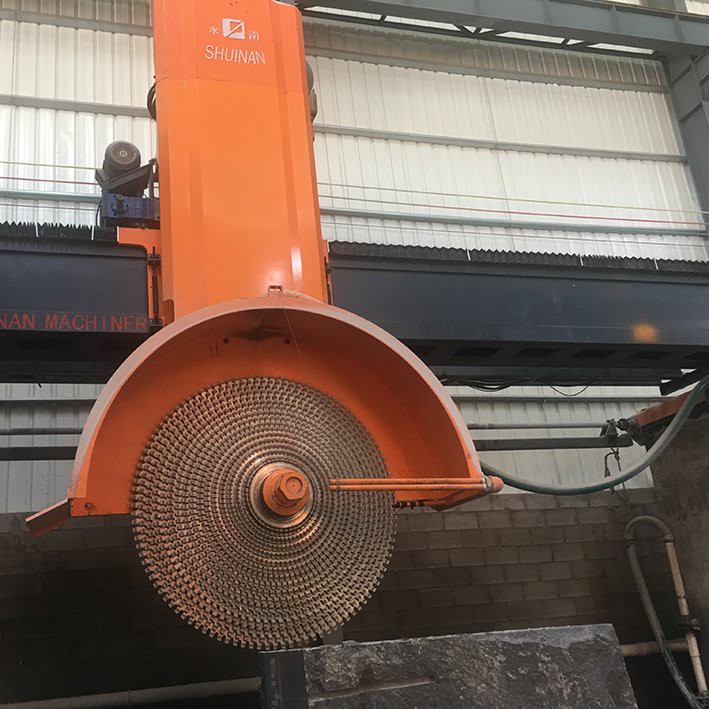
Cutting blade:The cutting blade is the most crucial component of the cutter, as it is responsible for actually cutting the stone. The blade is typically made from a high-quality diamond or carbide material that can withstand the hardness and toughness of stone. The blade may vary in shape and size depending on the specific requirements of the cutting task.
Motor and drive system:The motor provides the power needed to rotate the cutting blade and drive the cutter. The drive system may include gears, belts, or pulleys that transfer the power from the motor to the blade. The motor and drive system must be powerful enough to handle the cutting task and provide consistent, accurate cuts.
Control panel:The control panel allows the operator to adjust the speed, depth, and direction of the cutting blade. It may also include safety features such as emergency stop buttons and alarms. The control panel should be easy to use and understand, with clear labels and instructions.
Guide rails:Guide rails are used to help align the stone blocks for accurate cuts. They may be attached to the cutting table or the bridge frame and run parallel to the cutting blade. Guide rails can help ensure that the blocks are cut straight and even, reducing waste and improving efficiency.
Water cooling system:A water cooling system is often used to keep the cutting blade cool during operation. The system sprays water onto the blade, helping to reduce friction and heat buildup, which can extend the life of the blade and improve cutting performance.
Dust collection system:Stone cutting can generate a lot of dust and debris, so a dust collection system is an important component of the cutter. The system may include a vacuum or blower that collects the dust and debris from the cutting area and directs it away from the operator and the machine.

How Long Does It Take to Cut a Stone Block Using a Multi-blade Cutting Machine?
The duration it takes to cut a stone block using a multi-blade cutting machine can vary widely based on several factors, including the size and type of the stone block, the thickness of the material being cut, the power and efficiency of the cutting machine, and the skill of the operator. Different types of stone have varying densities and hardness levels, which can affect the cutting time. For example, granite is typically harder and denser than limestone, so it may take longer to cut through. Larger blocks will obviously take longer to cut than smaller ones, as there is more material to remove. The dimensions of the block (length, width, and height) will determine how much time it takes to cut through it. The thickness of the material being cut also plays a role in the cutting time. Thicker materials will take longer to cut than thinner ones, as there is more material to remove. The power and efficiency of the multi-blade cutting machine can significantly affect the cutting time. High-powered machines with advanced features such as water cooling systems may be able to cut through stone more quickly and accurately than less powerful machines. The skill of the operator can also impact the cutting time. Experienced operators may be able to optimize the machine settings and adjust their technique to cut through stone more quickly and efficiently. In general, it can take anywhere from a few minutes to several hours to cut a stone block using a multi-blade cutting machine, depending on the factors mentioned above. It is important to note that the cutting process should be performed carefully and accurately to avoid damaging the machine or the stone block. Proper maintenance and regular inspections of the cutting machine can help ensure that it operates efficiently and effectively, reducing the cutting time and extending the machine's lifes
Can a Multi-blade Cutting Machine Be Operated by a Single Person?
Yes, a multi-blade cutting machine can typically be operated by a single person. However, the level of expertise required to operate the machine safely and effectively will depend on the complexity of the cutting task and the specific features of the machine itself. It is essential for any operator of a multi-blade cutting machine to receive comprehensive safety training. This training should cover all aspects of the machine's operation, including startup procedures, blade changes, emergency stops, and routine maintenance. The operator should also be familiar with the potential hazards associated with the cutting process and know how to mitigate them. The operator should have a good understanding of the machine's capabilities and limitations. This includes knowing how to adjust the settings for different types of materials and cuts, how to load and unload the material correctly, and how to interpret any error messages or alarms that may indicate a problem with the machine. The operator's skill level will play a significant role in their ability to safely and effectively operate a multi-blade cutting machine. Experience operators will likely be able to handle more complex tasks and adjust their techniques to optimize the cutting process. However, even inexperienced operators can learn to operate a multi-blade cutting machine with proper training and supervision. In some cases, it may be helpful for the operator to have an assistant available to assist with loading and unloading the material or performing other tasks that require two people. This can help to improve efficiency and reduce the risk of injury. Many modern multi-blade cutting machines are equipped with advanced automation and control systems that allow the operator to perform complex cutting tasks with minimal physical effort. These systems can help to reduce the risk of errors and improve the consistency of the cuts.
Quanzhou Hiende Mechanical And Electrical Technology Development Co, Ltd (formerly:Fujian Shuinan Stone Machinery Co. Ltd )was founded in 1997, with a long history and good reputation in domestic and international stone machinery manufacturing industry. After 20 years of innovaton and technology enterprises in stone mining and processing equipment with well-known brands"SHUINAN". Shuinan is located in Chinese stone capital- Shuitou. The factory covers an area of 107000 m2, with the most advanced mechanical processing equipment, warehousing logistics systems, assembly production lines in stone machinery industry. Shuinan has a team with more than 300 people of professional research and development, production sales and service.


certificate

FAQ
Hot Tags: multi blade cutting machine, China multi blade cutting machine manufacturers, suppliers, factory